
Buying a Home in Utah Without Draining Your Savings
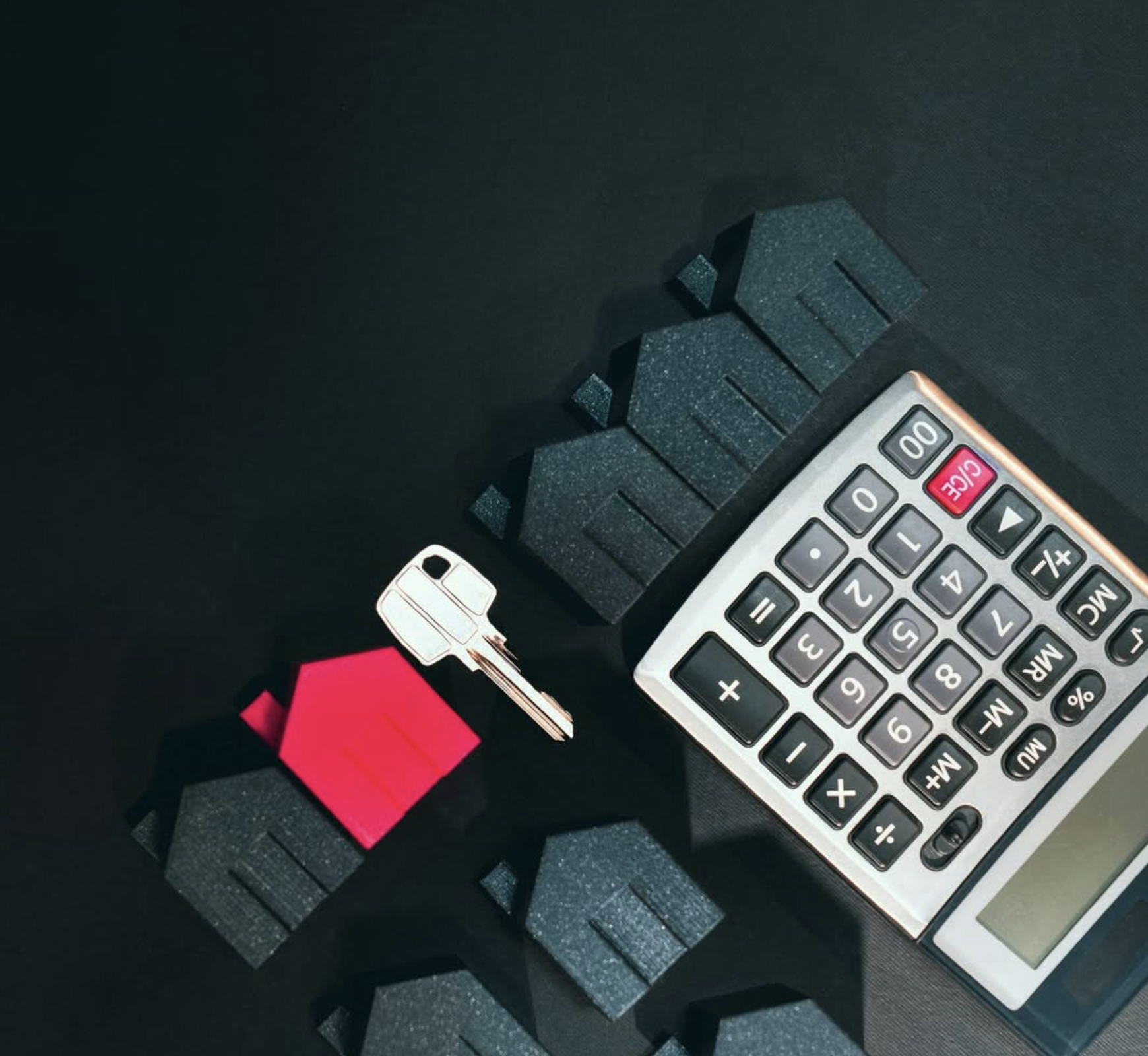
One of the biggest myths in real estate is that buying a home requires handing over a massive chunk of your savings. Many Utah buyers assume they need to come to the table with 20% down and thousands more in closing costs - or they simply are not ready. The truth is, that picture has changed significantly, and there are smarter ways to get into a home without leaving your bank account bare.
You Do Not Always Need a Large Down Payment
Low down payment loan options have made homeownership far more accessible than most people realize. Depending on your financial profile and the type of loan you qualify for, you may be able to put down as little as 3% to 5% - and in some cases, nothing at all. FHA loans, VA loans, and USDA loans are all programs designed to help buyers who do not have a large sum sitting in savings. Even conventional loans today offer competitive low down payment options for qualified buyers.
The key is knowing which program fits your situation. A good mortgage professional can walk you through the options that make sense for your income, credit, and goals.
Closing Costs Do Not Always Have to Come Out of Your Pocket
Closing costs are one of the expenses that catch buyers off guard. They typically run between 2% and 5% of the loan amount, which can feel like a second hurdle after the down payment. What many buyers do not know is that closing cost assistance programs exist at both the state and local level in Utah. In some cases, sellers can also contribute toward your closing costs as part of the negotiation.
Utah Housing Corporation, for example, offers programs specifically designed to help buyers cover down payment and closing costs. Exploring these options before you start shopping can make a real difference in how much cash you actually need on closing day.
Keeping Cash Reserves Can Strengthen Your Approval
Here is something that surprises a lot of buyers: draining your savings to make a larger down payment can sometimes work against you. Lenders look at cash reserves as part of their approval process. Having money left in the bank after closing signals to underwriters that you can handle unexpected expenses and continue making payments if something changes in your financial situation.
In other words, stretching yourself thin to put more down may not help your application the way you think it will. Keeping a healthy reserve can actually improve how lenders view your file.
Buying Smart Is About Strategy, Not Sacrifice
The goal of buying a home in Utah should never be to simply get to the finish line at any cost. The goal is to get there in a way that keeps you financially stable and set up for the long term. That means understanding your loan options, exploring available assistance programs, and making decisions based on your complete financial picture, not just the down payment number.
Utah's real estate market is competitive, but it is not out of reach. With the right guidance and a clear strategy, buying a home here does not have to mean starting from zero once you get the keys.
If you are curious about what options might work for your situation, it is worth having a conversation before you assume you are not ready. You might be closer than you think.

Hey! My name is Cory and I’m a mortgage broker with years of experience in the industry, committed to helping clients navigate the complexities of home financing. My goal is to provide personalized solutions tailored to each client's unique financial situation and goals. I understand that securing a mortgage is a significant milestone, and I strive to make the process as straightforward and stress-free as possible. With a keen understanding of the market and a network of reliable lending partners, I work diligently to find the best options available for my clients.